
Research
Exploring Sound, Light and Rock Art
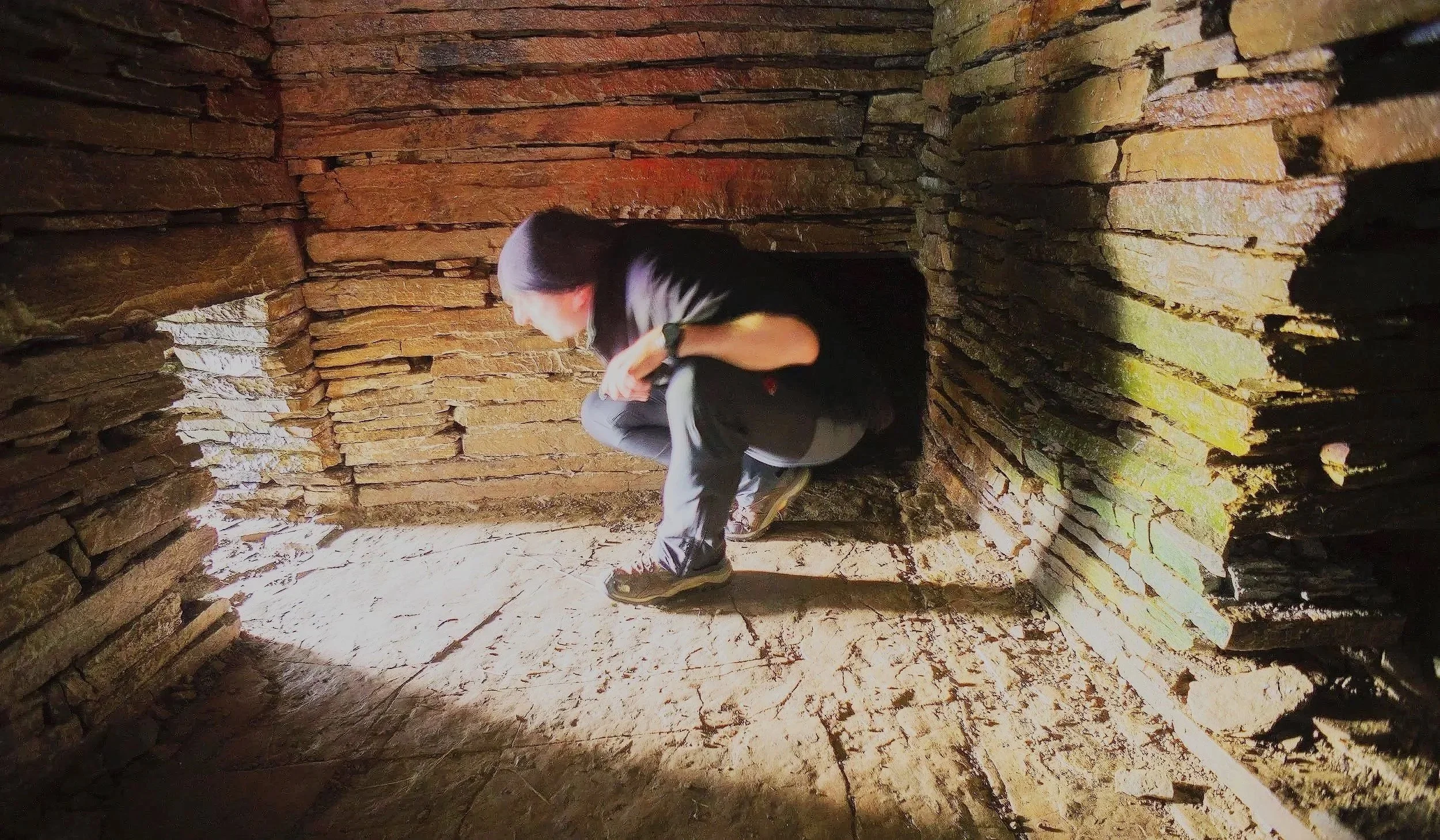
For over thirty years, I have explored the remarkable legacy left by Neolithic and Bronze Age communities in Britain and Ireland. They shaped the landscape, built extraordinary monuments such as chambered cairns, stone circles, and sculpted enigmatic rock art. Who made these places? How were they used and understood? And why do they continue to resonate so vividly and meaningfully today?
Bringing together archaeology, experimentation, and creative practice, my work seeks to reanimate these ancient places. I am probably best known for exploring their acoustic, optical, and spatial qualities. I share my discoveries through a YouTube channel, books, journals, research papers, and exhibitions across the UK and further afield, as well as through radio and television archaeology programmes.

Archaeoacoustics
Exploring how sound shaped the experience of Neolithic monuments and landscapes.
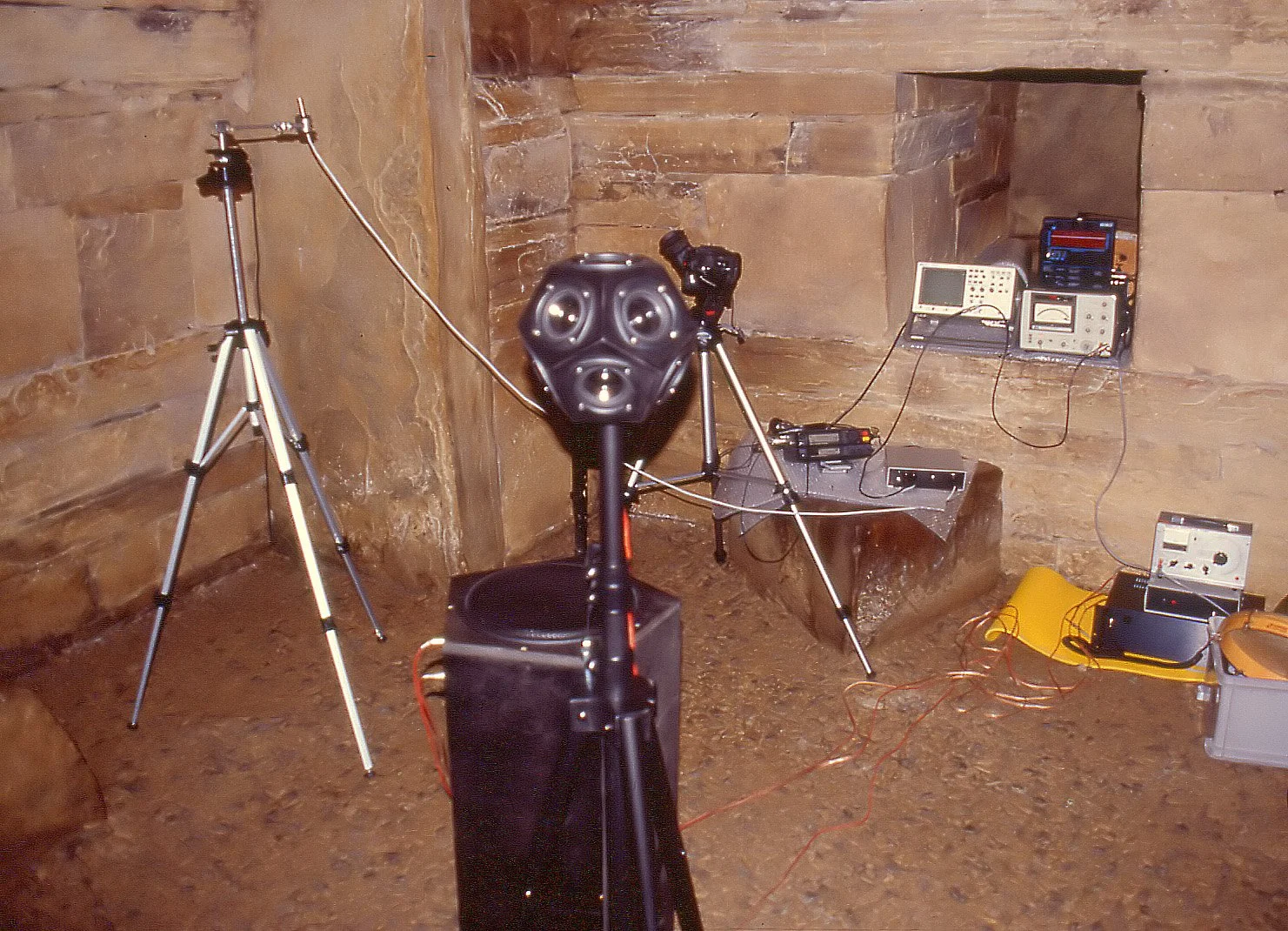
Since 1995 I have collaborated with acousticians Dr David Keating and Dr John Was to study the acoustic properties of stone circles, passage tombs, and carved chambers across Britain and Ireland. Despite their architectural differences, many of these monuments produce striking sound effects like echoes that interact with visitors, resonances that alter voices, and distinguish insiders from outsiders.
These effects can still be heard and measured today, but my deeper aim is to understand how sound may have contributed to the monuments’ original meaning. In the Neolithic, sound could shape gatherings, created a sense of spectacle or secrecy, and perhaps even influenced altered states of consciousness.
To find out more visit>
Archaeo-optics
Exploring light, projection, and perception inside prehistoric monuments.
‘Archaeo-optics’ is a research collaboration between me, Ronnie Scott, and Matt Gatton. It explores how people in the past may have manipulated, experienced, and understood the effects created by light.
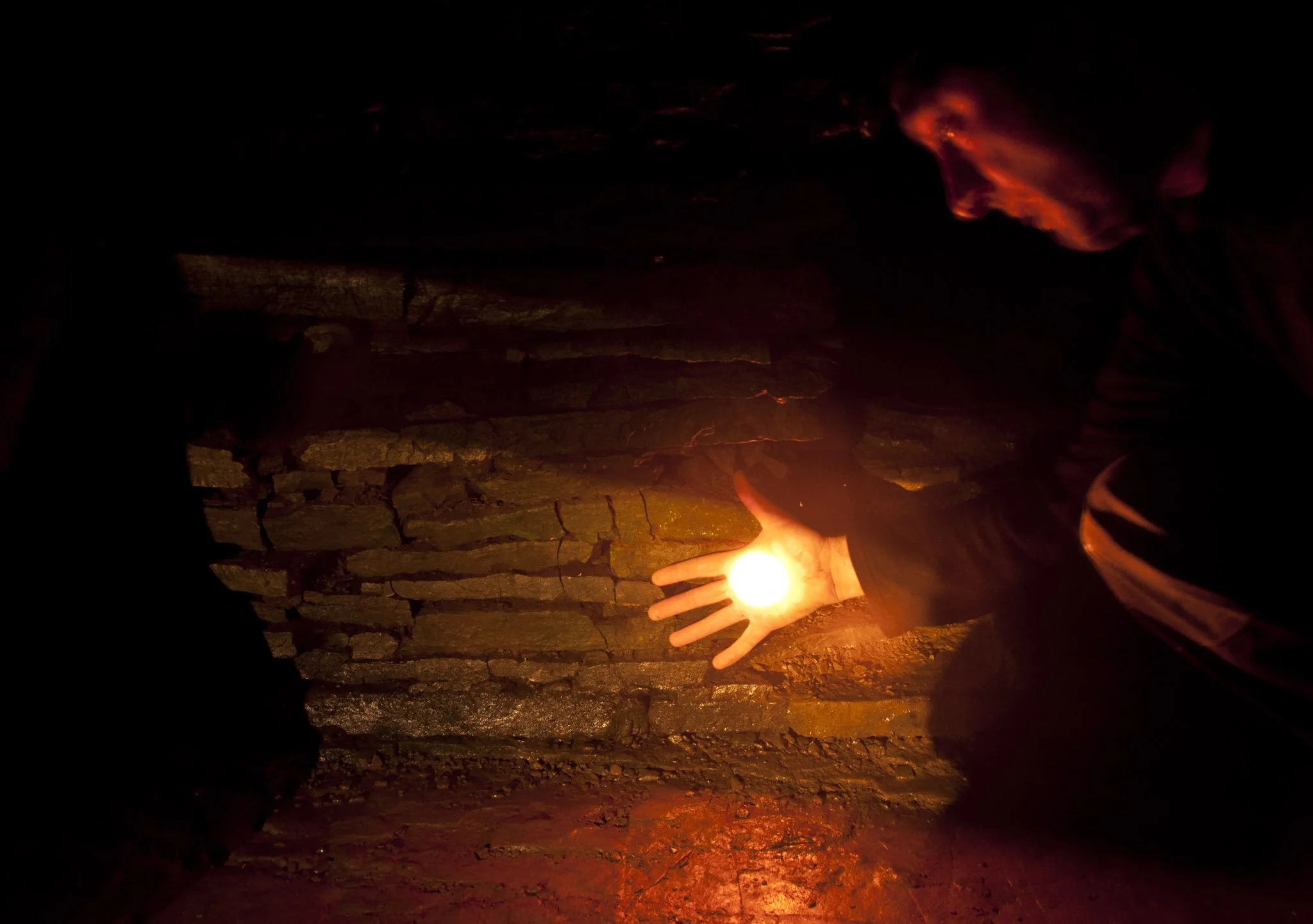
Since 2012 I have conducted experimental fieldwork at numerous Neolithic chambered monuments, revealing that these spaces can generate moving, colourful optical projections reminiscent of cinematography.
A remarkable variety of dynamic effects have been observed and, where possible, recorded: beams of light, blazing orbs, spectral figures, and luminous animated images of landscapes and people.
To find out more visit>
Rock Art
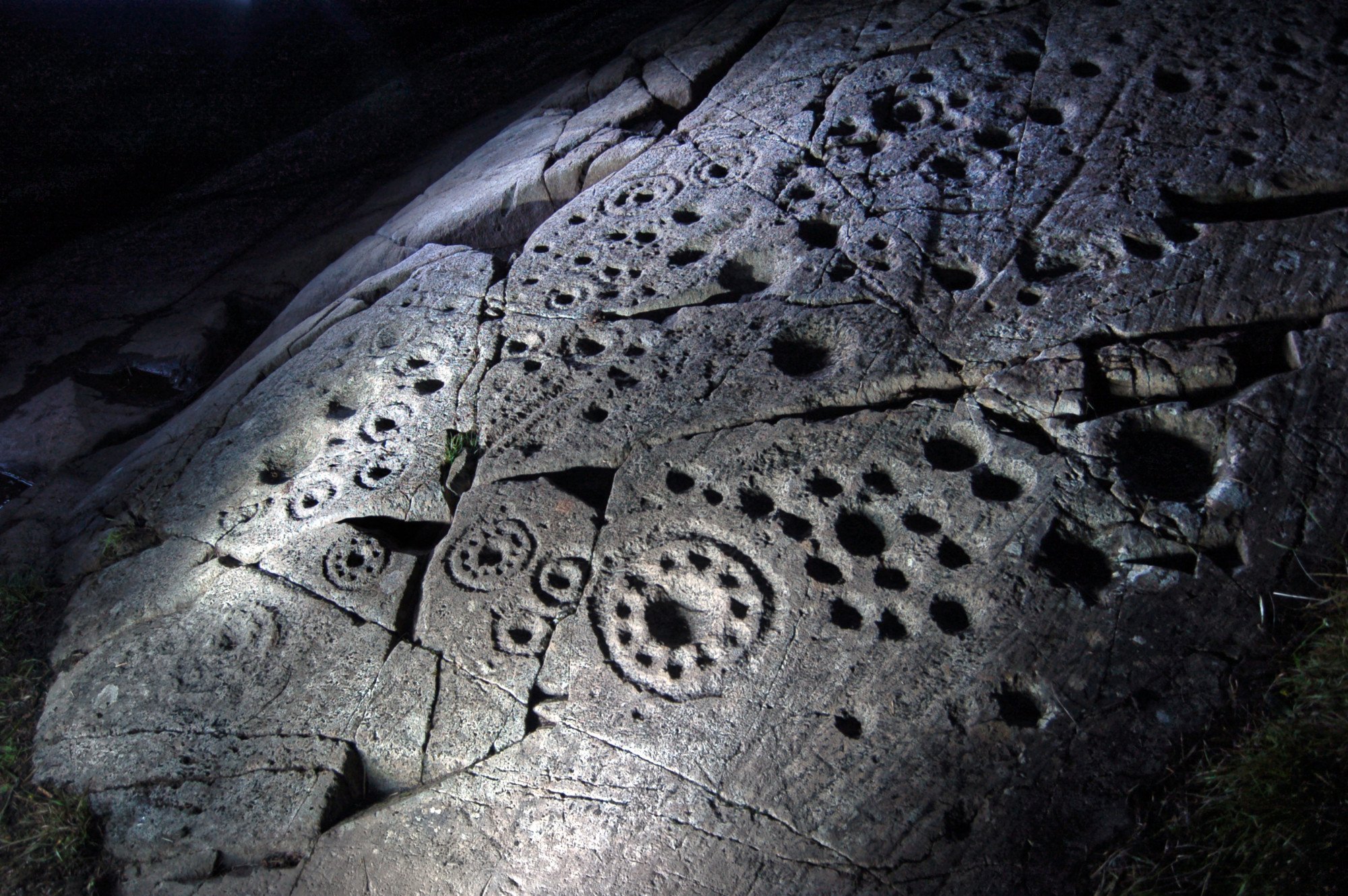
Exploring prehistoric rock art as a dynamic and animated interplay of stone, light and sound.
Across some of the most spectacular landscapes in the British Isles, prehistoric rock art was not placed at random. For over 25 years I have explored these sites, often collaborating with researchers such as Professor Richard Bradley. Why was so much effort invested in carving these enigmatic marks around five thousand years ago?
What has emerged is not a single explanation, but a pattern: rock art is inseparable from the conditions in which it is encountered. These carvings relate closely to the natural geology, shifting light, sound, and the movement of people through the landscape. Rock art formed part of a wider, sensory way of engaging with the world.
To find out more visit>