
Copt Howe excavations
Copt Howe, in the Langdale valley, at the heart of the Lake District, is a remarkable place. Neolithic people carved two enormous rocks with abstract images. Carved between 3300 to 2900 BC, they have associations with similar Irish rock art. We needed to know more and excavate below the modern-day ground level.
Follow the dig, day by day, as more is revealed…
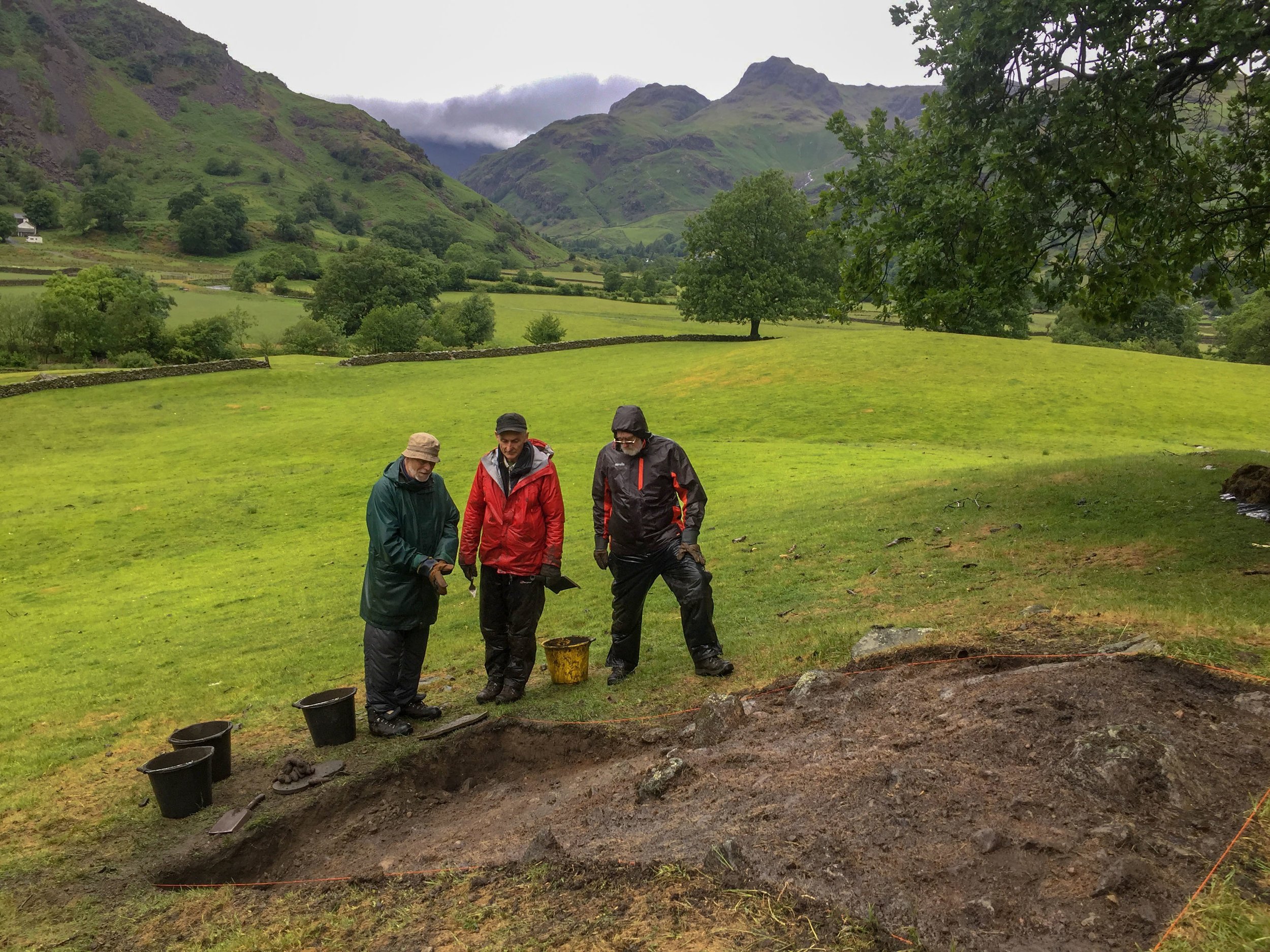
Day 1: The project begins
The first day of excavations to investigate the remarkable Neolithic carvings at Copt Howe, in the Lake District.
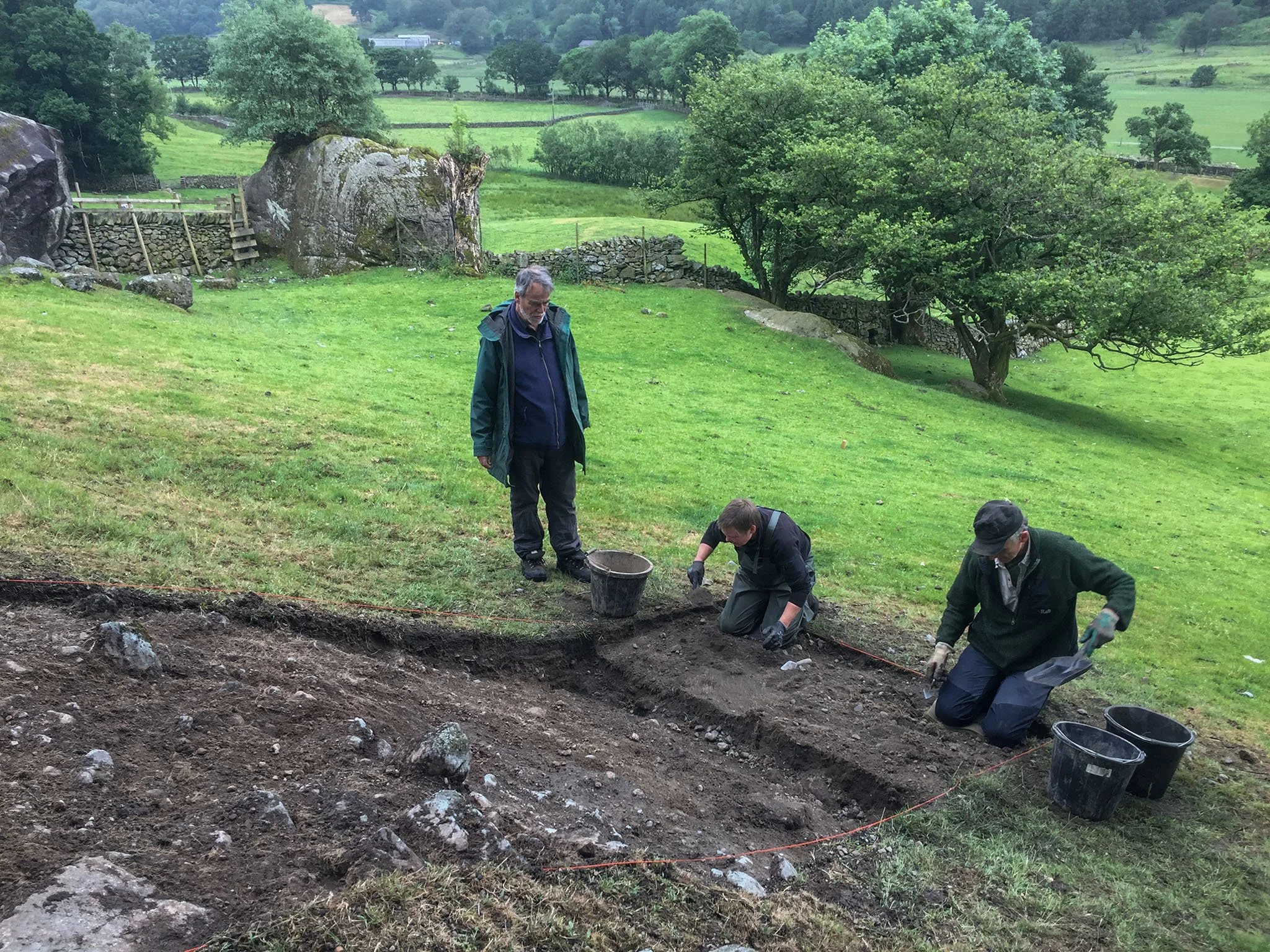
Day 2: The first trench
Day two of the project has dawned overcast but dry. We continue work investigating the mound to see if there is any evidence for it having been constructed.
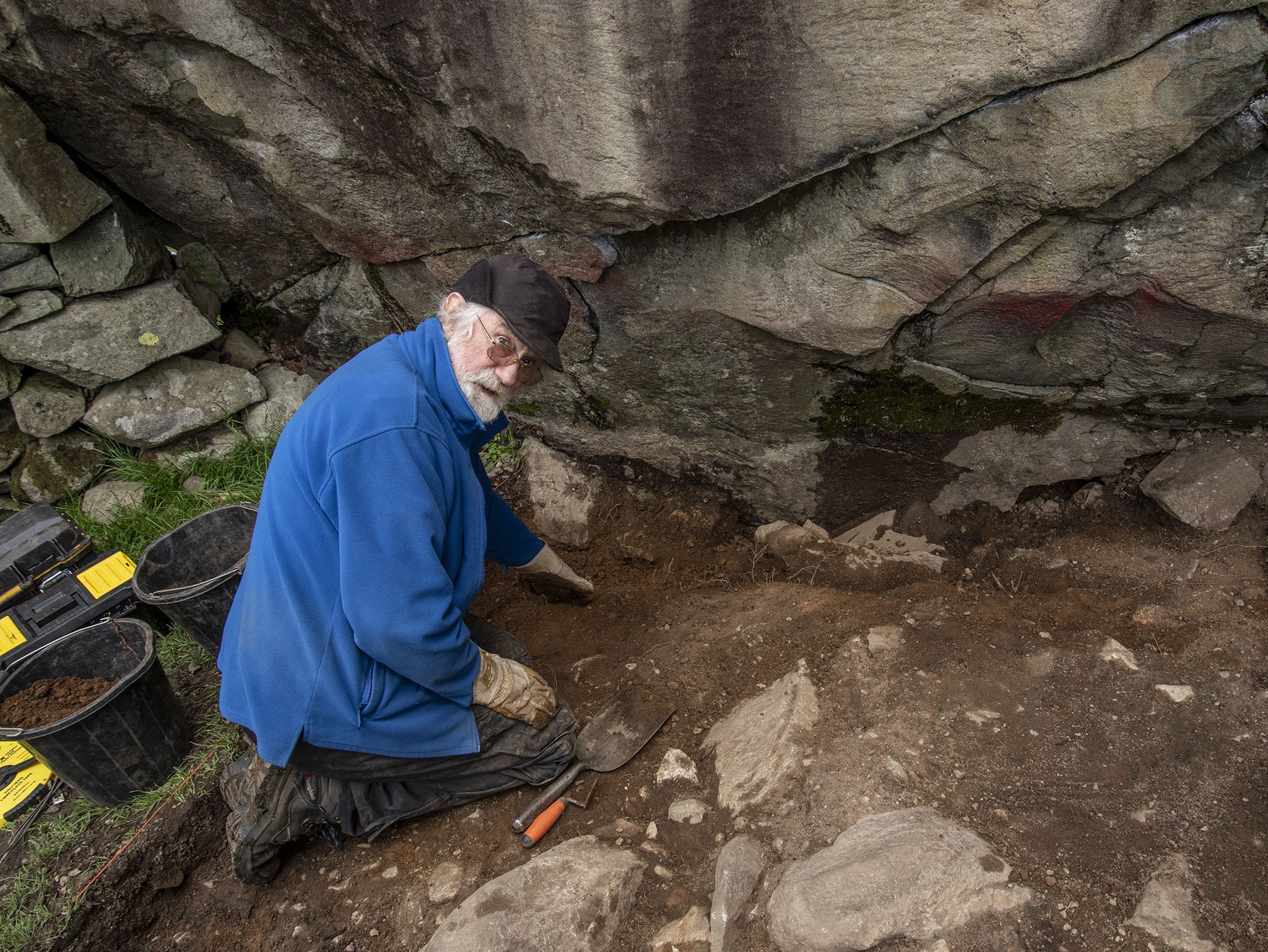
Day 3: Carvings are discovered
The plan today is to open three new trenches to investigate the boulders which display carvings.
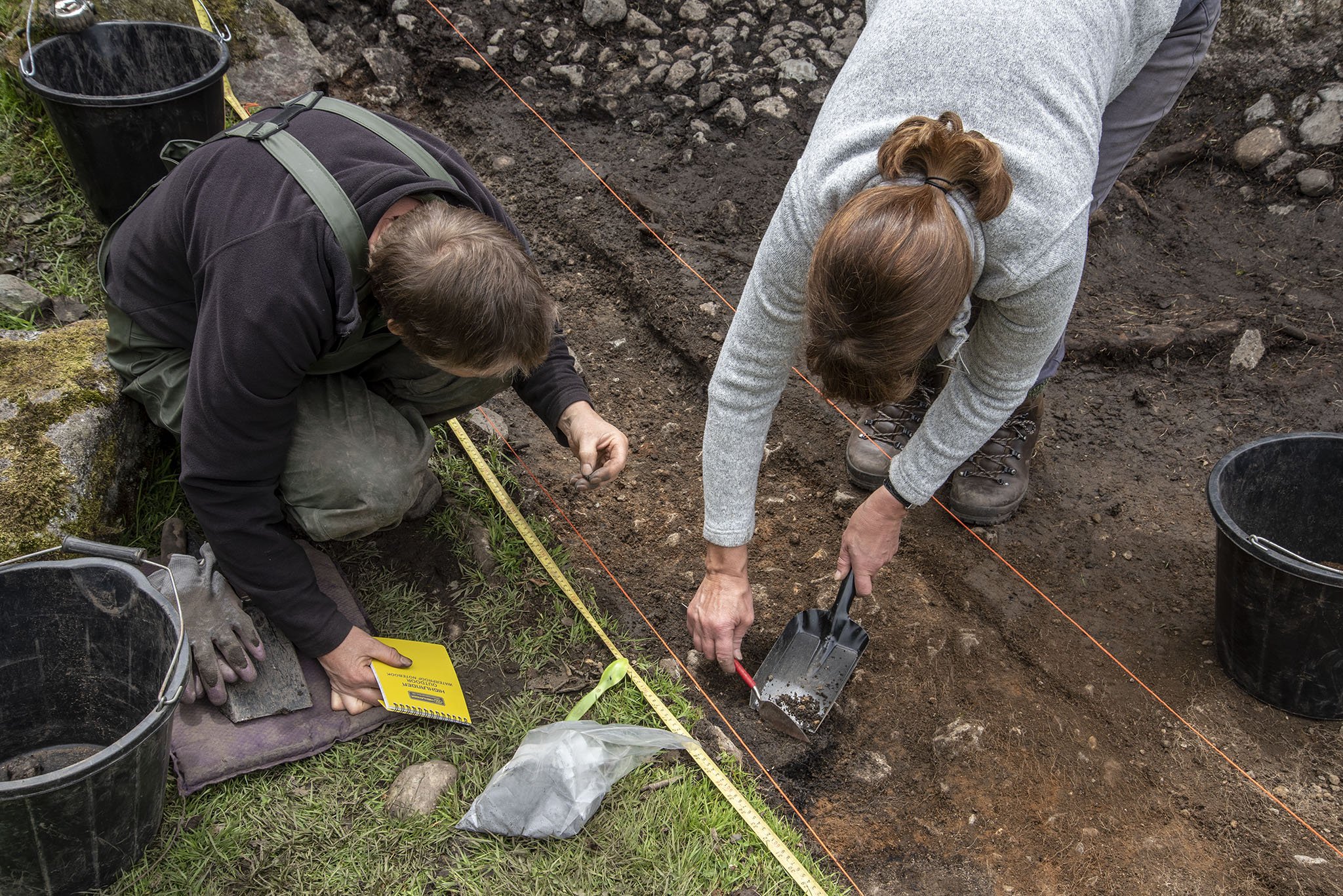
Day 4: Making progress
On the fourth day of the project we continue work on all the active trenches.

Day 5: Structured deposition in Trench 1
Trench 1 begins to reveal some exciting features.
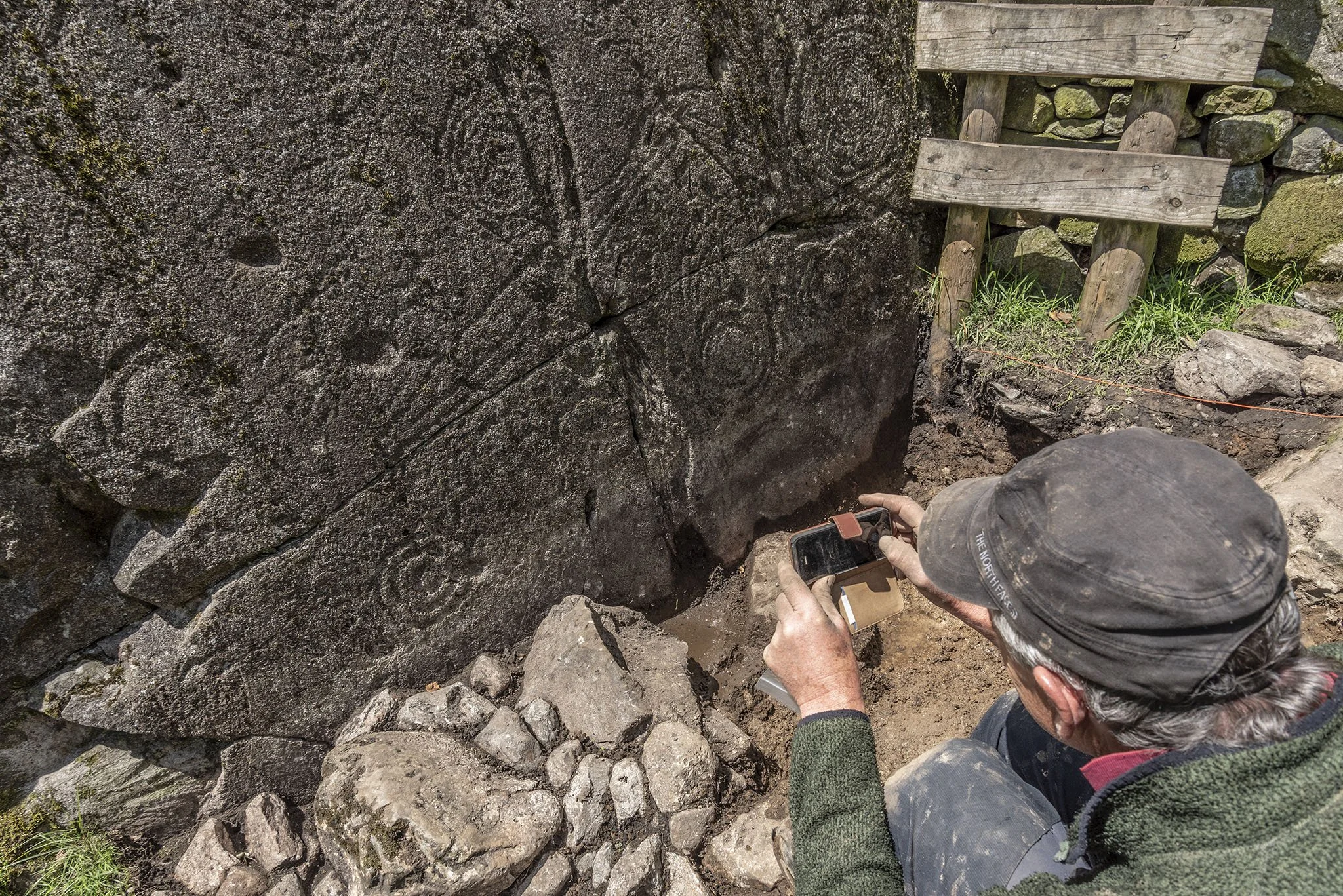
Day 6: Were these tools used to make the rock art?
On the sixth day day there are significant developments in Trench 1, with more rock art being revealed and the discovery of some very distinctive artefacts which may have been used to carve the motifs.
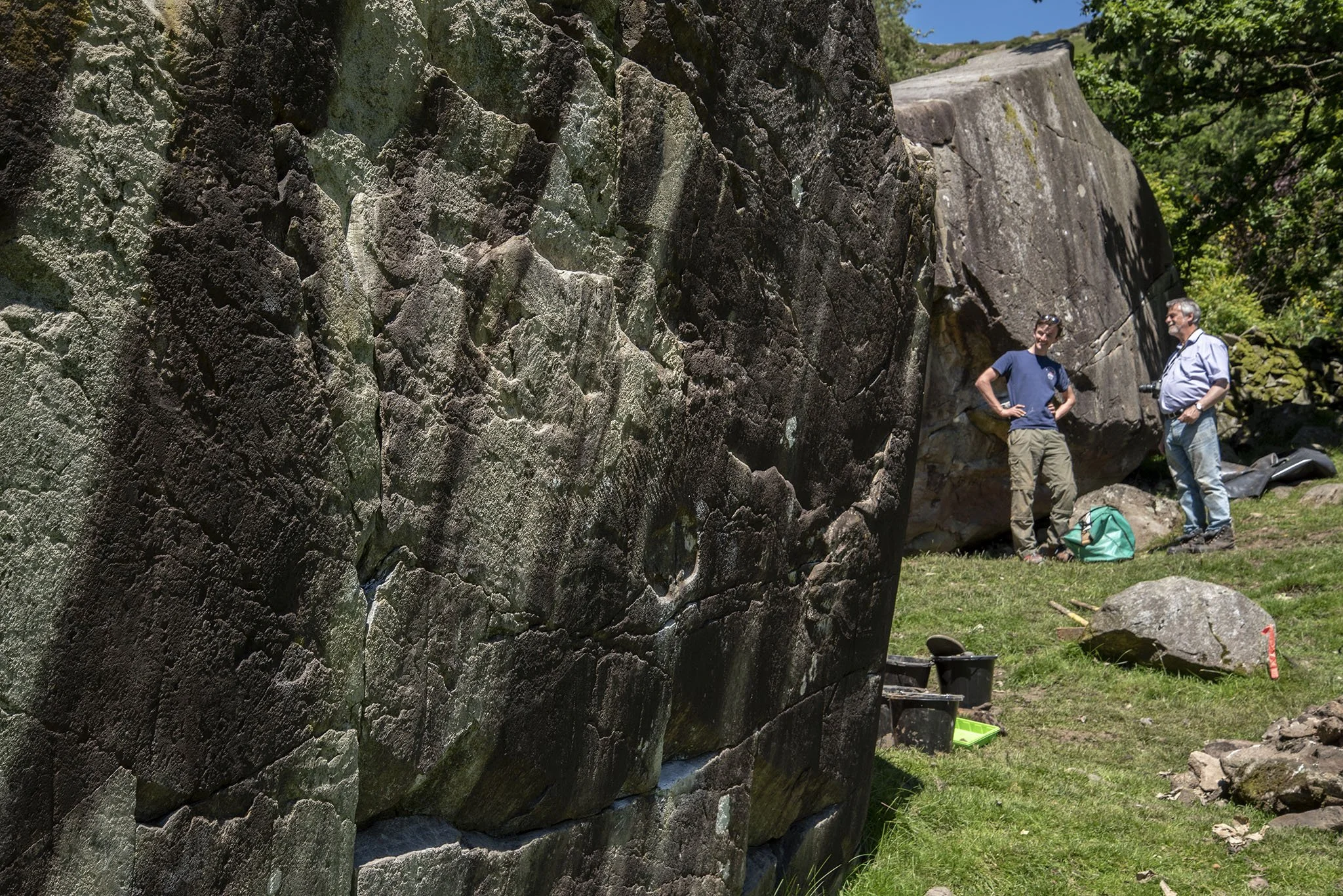
Day 7: Light and shadow
Today, the site is visited by a specialist to assess its potential for Optically-Stimulated Luminescence dating. On the theme of light, I also make some observations about the qualities of tree shadows on this sunny day.
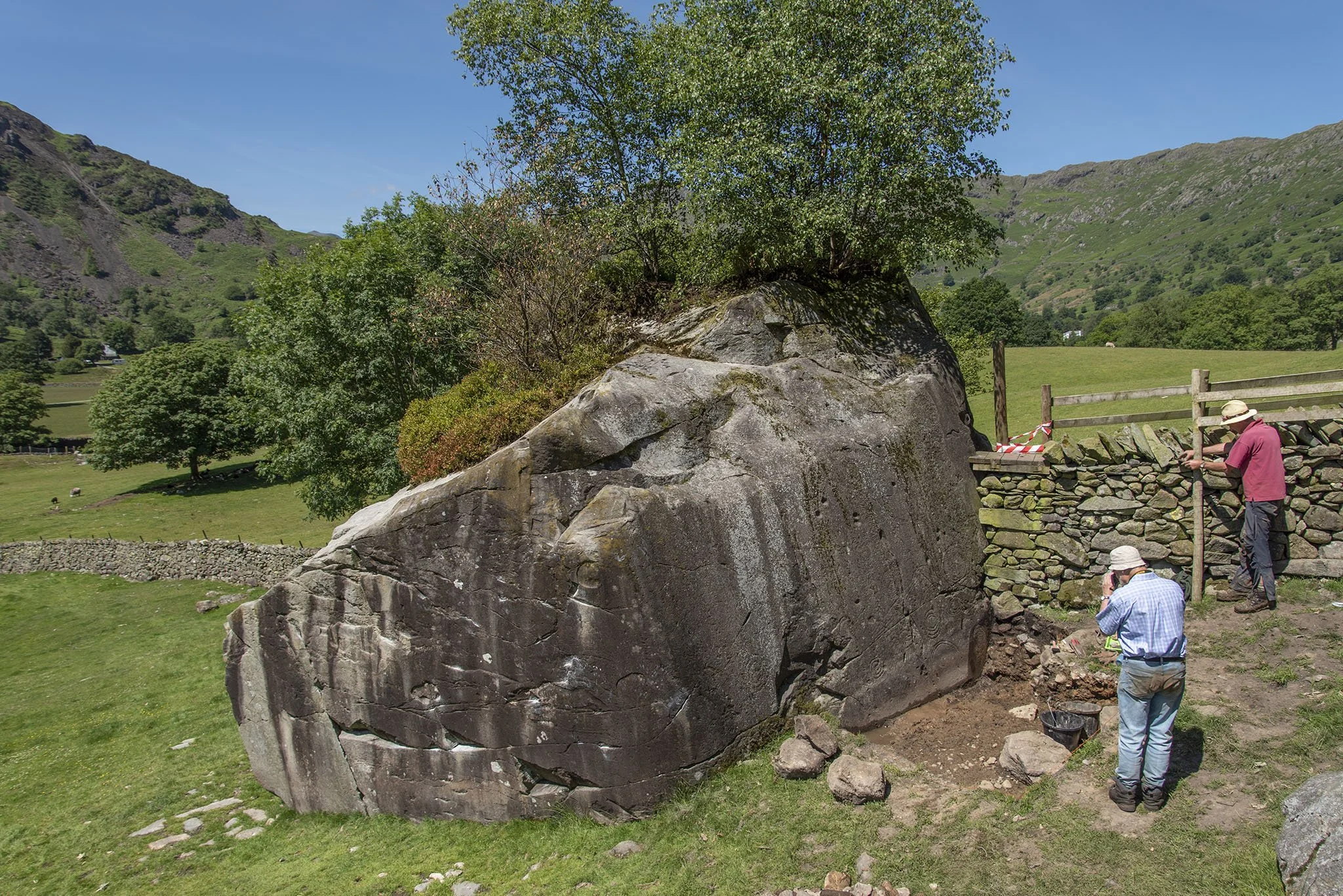
Day 8: Flat slabs in Trench 3
Trenches 1 and 3 take centre stage with new motifs and stone deposits.
Day 9: Recording and replicating
Work continues towards the conclusion of the excavation in a couple of days time.
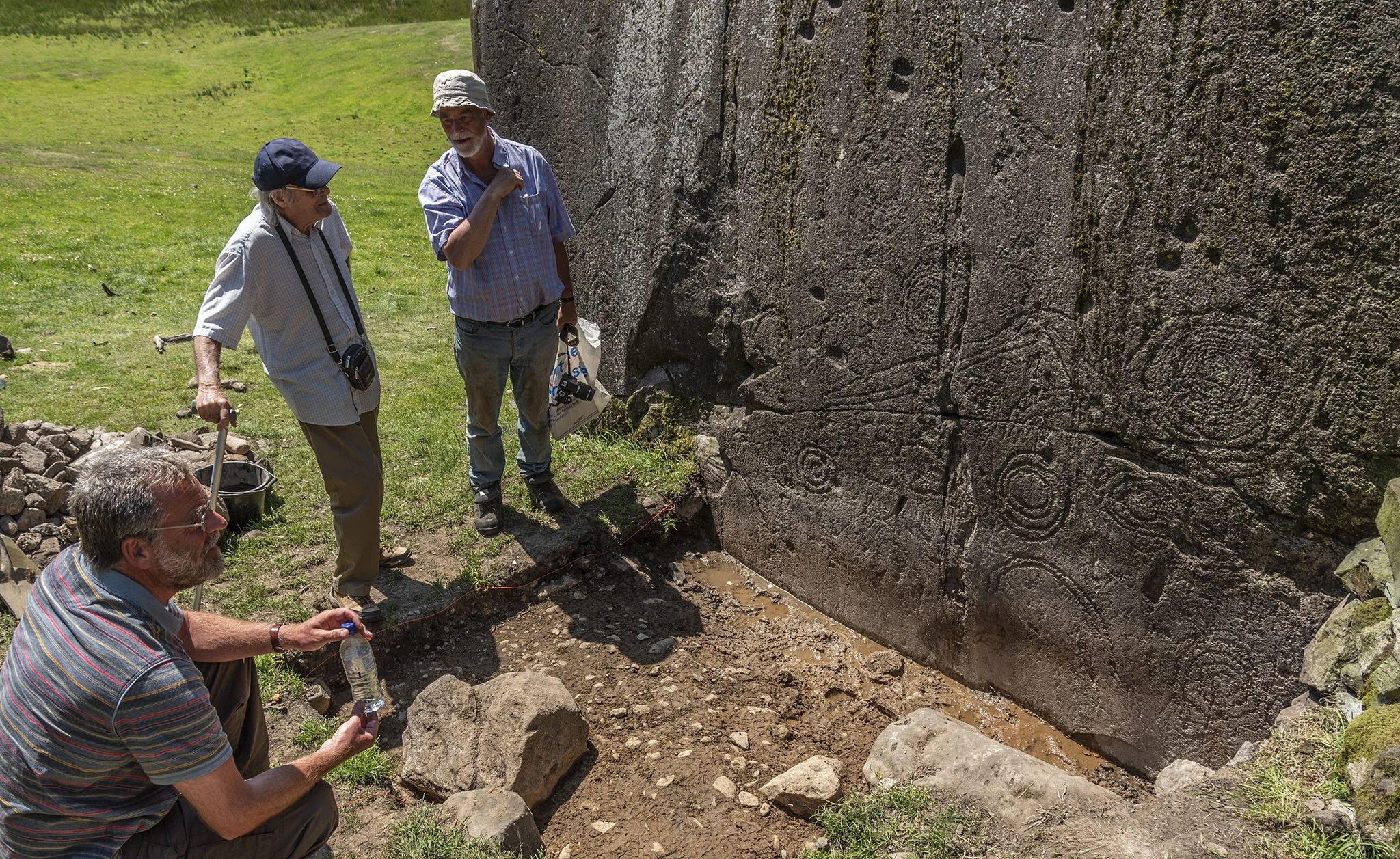
Day 10: The last day of excavation
It is our final day of excavation and various tasks have to be completed before the trenches can be filled. Stan Beckensall visits.
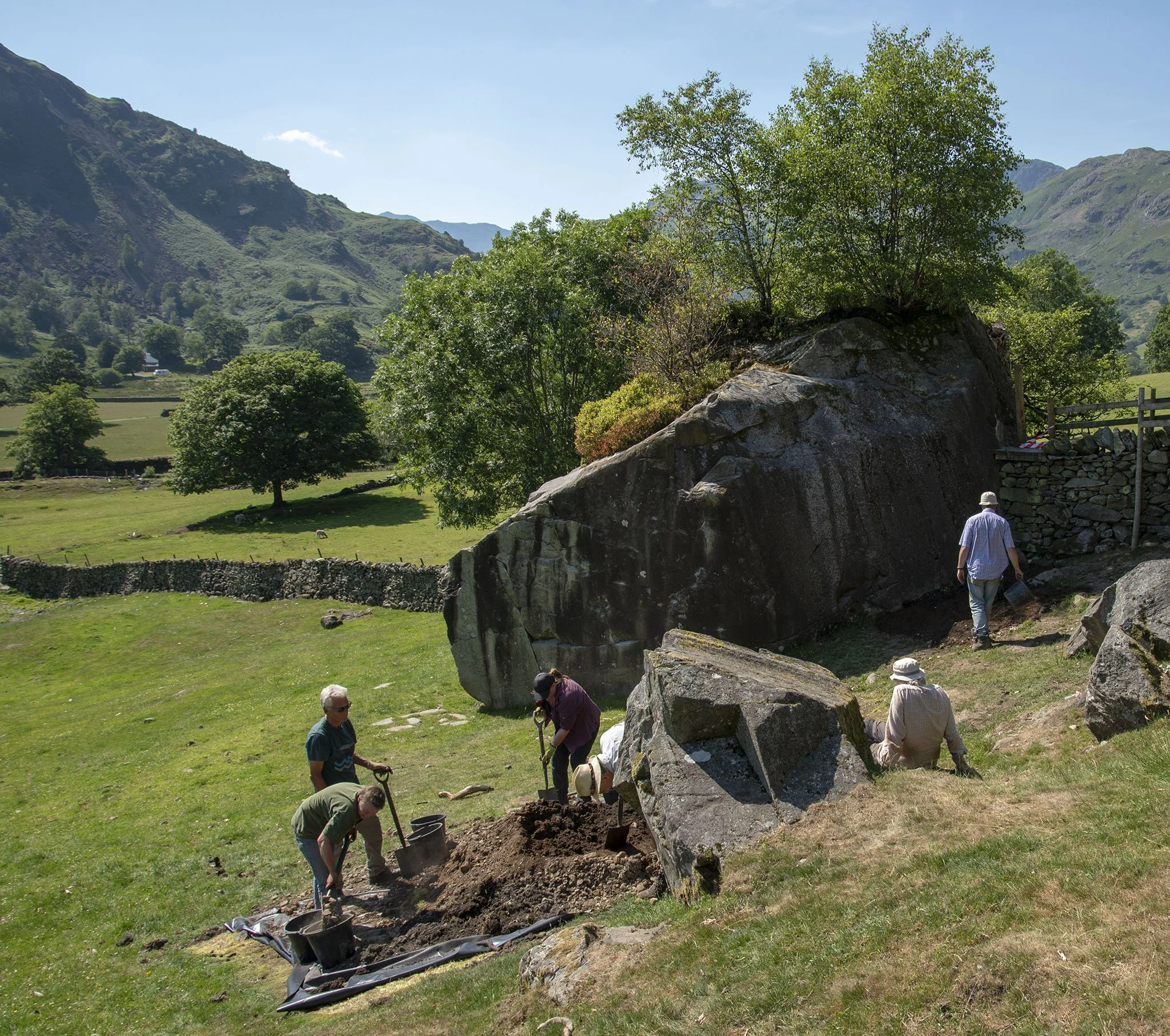
Day 11: The end of the excavations
In the midst of a heatwave we backfill the two remaining trenches.